
Wanderland Biophilic Living
At Wanderland, we believe that nature is not a destination—it is a necessity.
For decades, modern living has separated people from the environments that once regulated our sleep, calmed our nervous systems, and grounded our sense of self. Homes became efficient. Cities became fast. Convenience replaced connection. What we lost along the way was not aesthetic beauty, but something far more fundamental: our relationship with the natural world.
Wanderland exists to restore that relationship.
From Wilderness to Daily Life
Wanderland began in wild places—campgrounds, forests, open land—where the restorative power of nature is undeniable. But over time, a deeper question emerged:
If nature is essential to human well-being, why should access to it be limited to weekends, vacations, or remote locations?
Biophilic Living is our answer.
The Wanderland Biophilic Living initiative extends our philosophy beyond outdoor experiences and into the spaces where people spend most of their lives: their homes. It is not about bringing plants indoors for decoration. It is about re-aligning daily life with natural systems—light, material, rhythm, texture, sound, and refuge.
The Timberlake Condo: Our First Expression
Our Timberlake residence in Columbia, South Carolina represents Phase I of Biophilic Living: Urban Integration.
This home is not a showroom. It is a living environment designed to demonstrate how biophilic principles function in real life—within the constraints of shared walls, fixed architecture, and modern schedules. Every design decision serves a purpose:
Natural light to restore circadian rhythm
Honest materials that age rather than degrade
Living systems that are intentional, not ornamental
Spaces that provide both prospect and refuge
Sensory calm in a world of constant stimulation
The goal is simple but profound:
To create a home that helps the body exhale.
Biophilia as a System, Not a Style
At Wanderland, biophilic design is not a trend or an aesthetic category. It is a system of living rooted in science, psychology, and human history.
We design environments that:
Reduce cognitive fatigue
Improve sleep and emotional regulation
Encourage presence and intentionality
Support long-term well-being through subtle, cumulative effects
Biophilic Living is quiet by design. Its success is not measured by how it photographs, but by how it feels to live inside it.
Why This Matters
We are entering an era where mental overload, disconnection, and burnout are no longer exceptions—they are the norm. Wanderland Biophilic Living is our response to that reality.
It is an invitation to re-integrate nature into daily life without requiring escape, privilege, or isolation. It demonstrates that restorative living is not reserved for cabins or retreats—it can exist in condos, neighborhoods, and cities.
Looking Forward
The Timberlake residence is the beginning, not the conclusion.
It serves as:
A prototype for future Wanderland properties
A research environment for scalable biophilic systems
A narrative bridge between wilderness and home
A proof point that nature belongs everywhere people live
Wanderland Biophilic Living is about building the future we wish to inhabit—one where homes support human health as intuitively as forests once did.
Nature does not need to be visited.
It needs to be lived with.
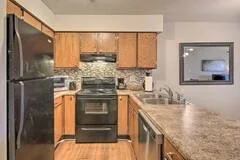
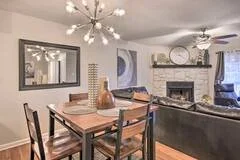
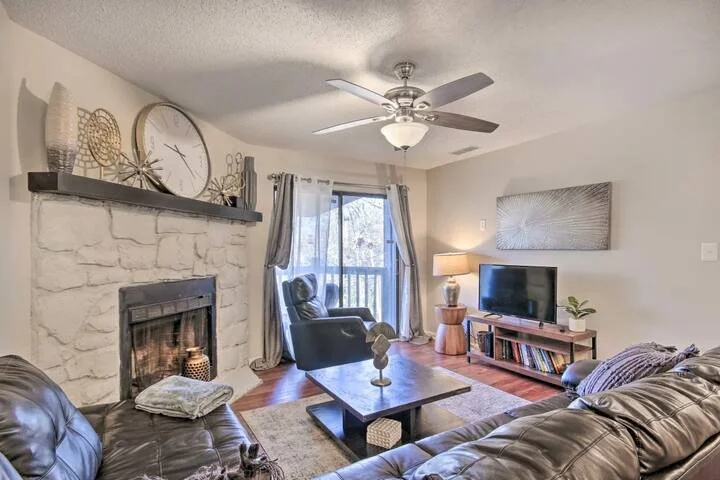
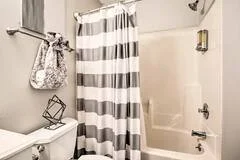
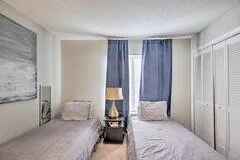
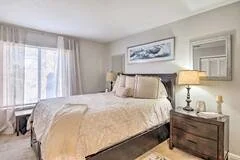
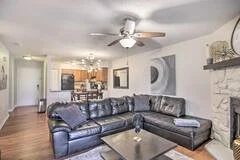
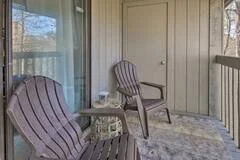
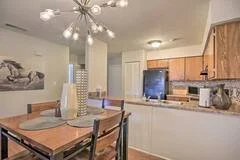
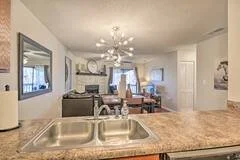
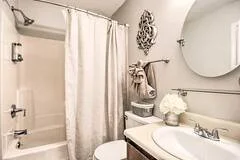
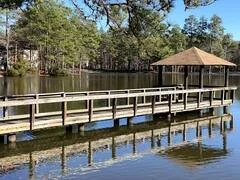
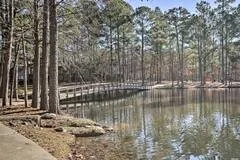
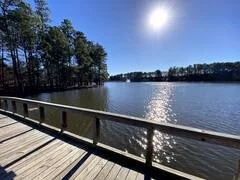
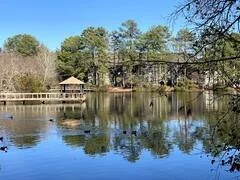
Below are images of the property before we begin its conversion. Conversion set to begin Spring 2026.